Impact
The Built-In
Tourism Advantage
Unlike conventional conservation initiatives that rely on perpetual donor subsidies, the ARC achieves financial self-sufficiency by leveraging pre-existing safari infrastructure
300,000
Existing Annual Visitors
Over 300,000 tourists visit Amboseli National Park annually without a centralized visitor hub or cultural centre.
17
Luxury Lodges in Immediate Corridor
Guests staying at high end properties (including Amboseli Serena, Ol Tukai, Kilima, Kibo Safari, Sopa, Tawi, and Elerai) will pass the Lemong'o within their safari itinerary
20%
Penetration Rate Required by Year Three
Capturing just 20% of existing park visitors (approx 60,000 visitors annually) this will generate immediate, highly predictable operational income.
10-Year Pro-Forma Economics & Breakeven Summary
The financial model developed by WMG Consult demonstrates rapid operational profitability and long-term capital reserve accumulation.
 Projected Visitors
Year 1: 25,000
Year 2: 45,000
Year 3: 60,000
Year 5: 85,000
Year 10 (Total 10-Yr): 160,000+
 Gross Operating Revenue
Year 1: $231,307
Year 2: $389,192
Year 3: $464,778
Year 5: $661,916
Year 10 (Total 10-Yr): $1,119,869
 Operating Expenses
Year 1: $308,511
Year 2: $344,860
Year 3: $414,581
Year 5: $499,813
Year 10 (Total 10-Yr): $643,726
 Operational Surplus (Pre-Amort.)
Year 1: ($77,203)
Year 2: +$44,332
Year 3: +$50,197
Year 5: +$162,103
Year 10 (Total 10-Yr): +$476,143
 Net Reserve Surplus (Post-Amort.)
Year 1: ($181,000)
Year 2: ($68,114)
Year 3: ($67,138)
Year 5: +$45,780
Year 10 (Total 10-Yr): +$364,627
| Financial Metric | Year 1 | Year 2 | Year 3 | Year 5 | Year 10 (Total 10-Yr) |
|---|---|---|---|---|---|
| Projected Visitors | 25,000 | 45,000 | 60,000 | 85,000 | 160,000+ |
| Gross Operating Revenue | $231,307 | $389,192 | $464,778 | $661,916 | $1,119,869 |
| Operating Expenses | $308,511 | $344,860 | $414,581 | $499,813 | $643,726 |
| Operational Surplus (Pre-Amort.) | ($77,203) | +$44,332 | +$50,197 | +$162,103 | +$476,143 |
| Net Reserve Surplus (Post-Amort.) | ($181,000) | ($68,114) | ($67,138) | +$45,780 | +$364,627 |
Financial Milestone:
Key Takeaway on Breakeven: Operating breakeven is achieved in Year 2 (+$44,332 operational surplus). Even after deducting full capital amortization and allocating $1.13 million into a 25-year capital overhaul fund, net financial independence is achieved in Year 4 (+$45,780 net surplus), scaling to $364,627 annually by Year 10.
The Leverage Equation
Hover or select a segment to explore the investment.
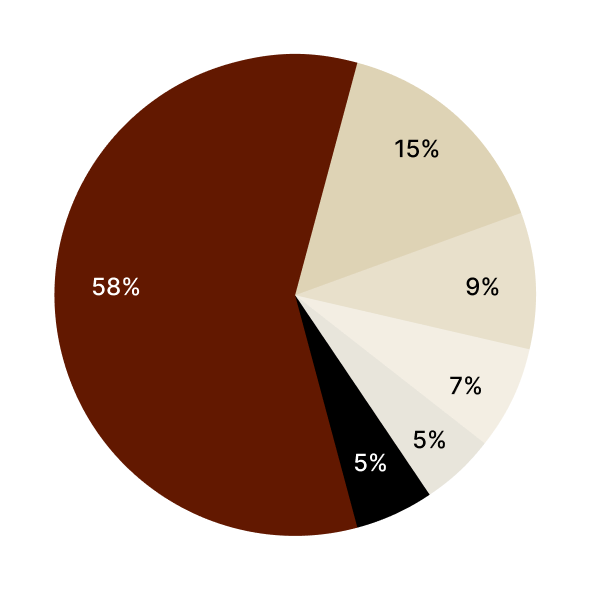
The Maasai community has already contributed 1,000,000 acres worth tens of millions of dollars. Philanthropy provides the targeted $5.5 million capital required to establish the institutional machinery that secures this commitment forever.
$5.5M
Philanthropic Capital Investment
1M
Acres Secured & Sustained Permanently
Campus Construction & Infrastructure:
$3,200,000 (58%) — Sustainable Eco-Architecture & Infrastructure at Lemong’o Site
Museum Curation & Interactive Exhibits:
$800,000 (15%) — Renovation, Interior Design, Curation & Exhibits in Constructed Museum
Information & Research Facilities:
$500,000 (9%) — Laboratory Equipment, Digital Archives & Field Workstations
Launch Staffing & Operating Runway:
$400,000 (7%) — Executive Leadership, Technical Specialists & Initial Operations
Community Capacity Programs:
$300,000 (5%) — Grazing Governance, Ranger Training & Women’s Enterprise Support
Contingency Reserve Fund:
$300,000 (5%) — Risk Reserve & Price Variance Buffer
Immediate Action:
$500,000
Catalyst Funding Requirement
An initial catalyst phase funding opportunity of $500,000 is sought to fund immediate interior renovations, curatorial exhibit installation, and administrative office fit-out within the constructed Lemong’o Museum building. This early catalyst capital unlocks immediate visitor operations, generates early revenue, and establishes on-the-ground momentum while full campus construction proceeds.
Donate